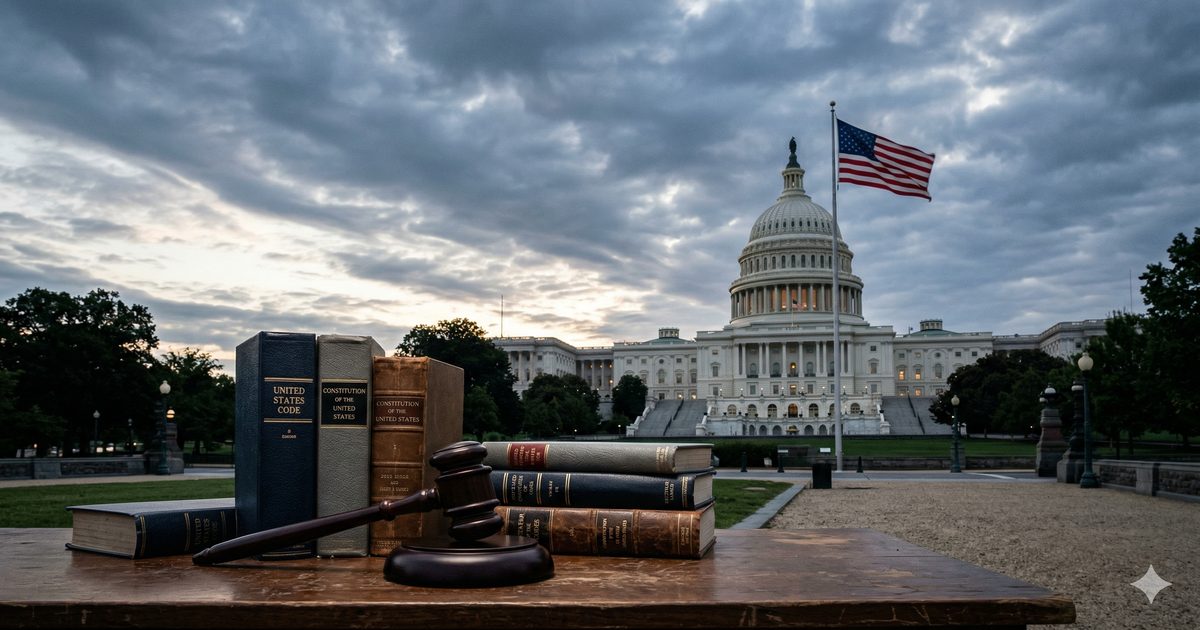
The US Supreme Court’s ruling that the Trump administration’s broad tariff authorities exceeded statutory limits has significant implications for Japanese export industries. The decision creates immediate uncertainty about the durability of trade policies that Japanese manufacturers had been building contingency plans around.
The Legal Basis of the Decision
The Court found that the International Emergency Economic Powers Act (IEEPA) does not grant the executive branch unlimited authority to impose tariffs as a foreign policy instrument. The ruling constrains future administrations’ ability to use emergency economic powers for trade purposes without Congressional authorization.
Implications for Japanese Industry
Japanese automakers, electronics manufacturers, and steel producers had been operating under tariff regimes that significantly affected export pricing. The ruling creates a window of uncertainty: existing tariffs may face legal challenges, but Congressional action could restore similar measures through different legal channels. For Japanese companies planning production and pricing, the decision creates a period of calculated ambiguity rather than resolution.
The Broader Pattern
The decision reflects a longer-term judicial trend toward constraining executive economic authority that predates the current administration. For trade partners of the United States, the more important question is whether Congress will legislate the trade restrictions that courts have removed — and on what timeline.
Analysis based on public reporting. Global Watch Japan.
この記事を書いた人
灰島
30代の日本人。国際情勢・地政学・経済を日常的に読み続けている。歴史の文脈から現代を読むアプローチで、世界のニュースを考察している。専門家ではないが、誠実に、感情も交えながら書く。


コメント