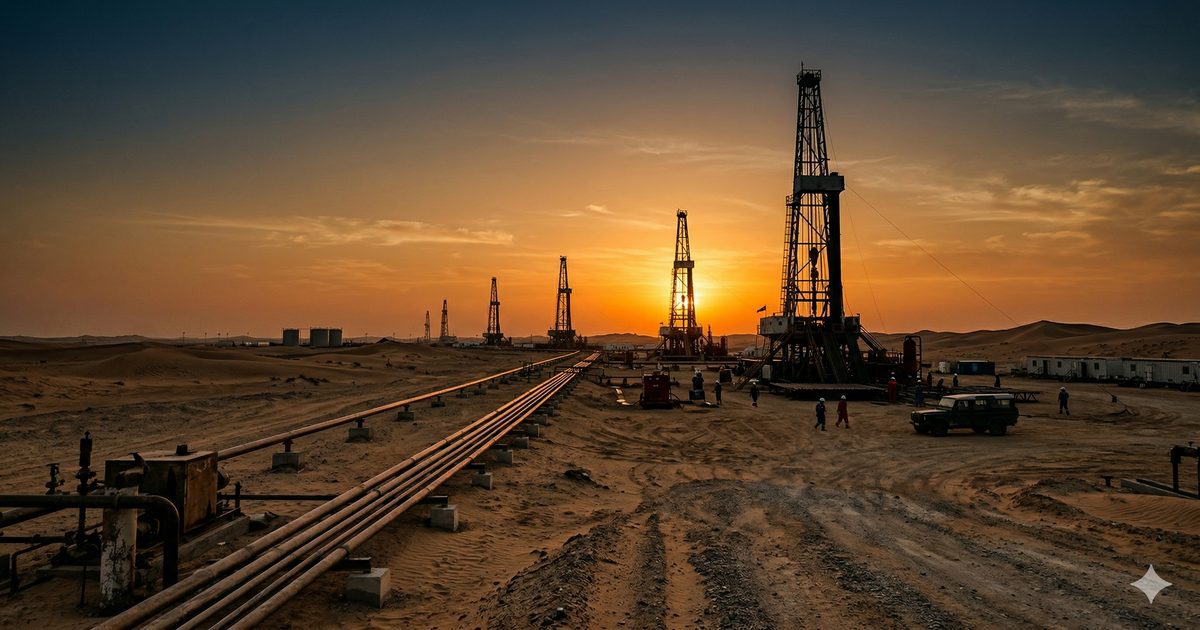
When gasoline prices set a record, the economic transmission mechanism is straightforward and fast: transport costs rise, which raises the cost of every product that moves by truck or ship, which raises consumer prices broadly. Japan, with its concentrated dependence on Gulf crude, experiences this transmission more directly than most developed economies.
The Hormuz Factor
The current price pressure is not primarily about demand. It is about risk premium on supply. The Strait of Hormuz remains technically open, but the insurance cost of transiting it has risen significantly following military escalation in the region. That insurance cost appears in the refined product price at the pump.
Who Bears the Cost
In Japan’s economic structure, energy cost increases are not evenly distributed. Small businesses — restaurants, small manufacturers, logistics operators — cannot easily pass through cost increases the way large corporations can. Wage growth, while real, has not kept pace with the energy-driven inflation of the past two years. The gasoline price record is, for many households, the visible face of a broader squeeze.
Analysis based on public reporting. Global Watch Japan.
この記事を書いた人
灰島
30代の日本人。国際情勢・地政学・経済を日常的に読み続けている。歴史の文脈から現代を読むアプローチで、世界のニュースを考察している。専門家ではないが、誠実に、感情も交えながら書く。
コメント